
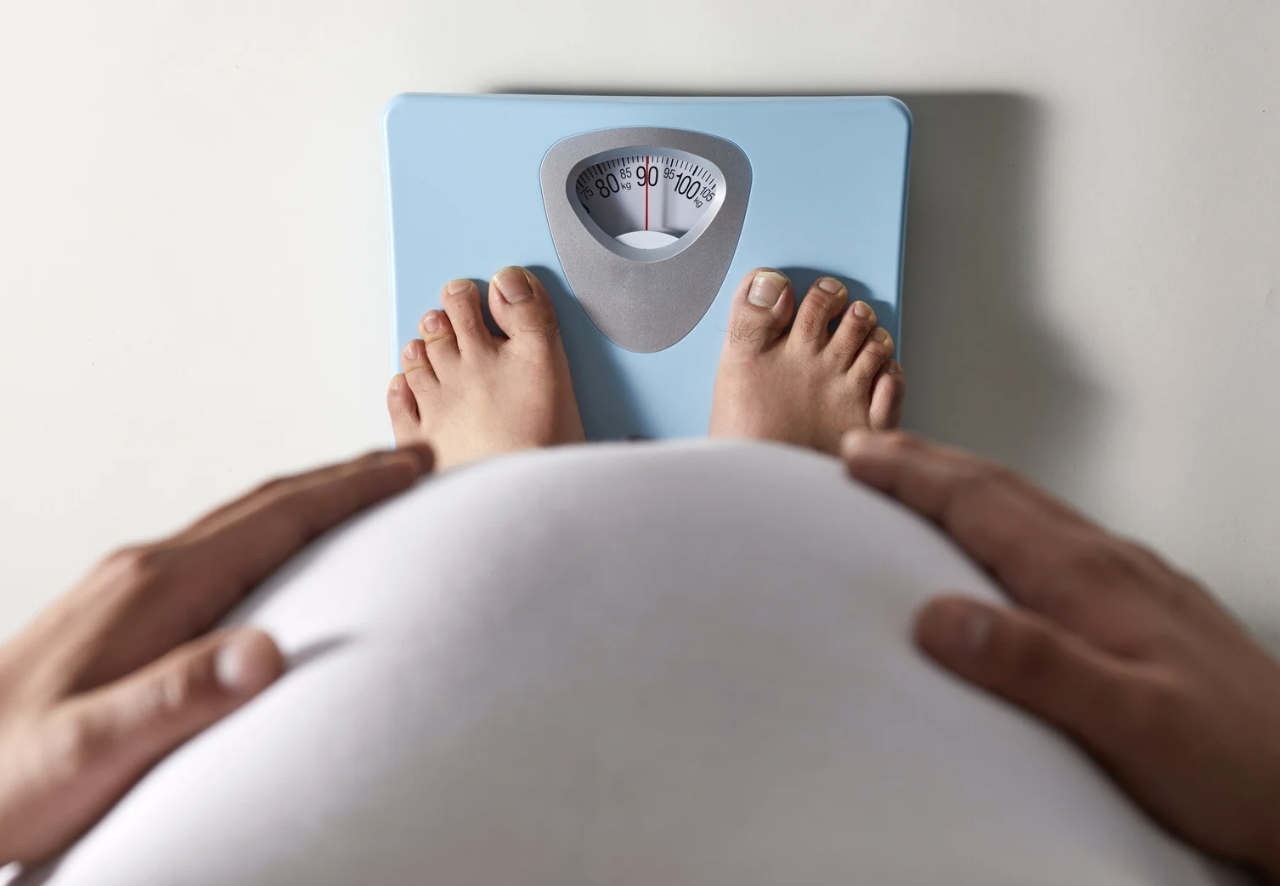
Body Mass Index Levels
Why you should know your Body Mass Index
 One of the ways that medical professionals determine if you are overweight is by a rating called Body Mass Index. BMI is an approximate measure of body fat based on weight and height proportion. It can overestimate Body fat in those with a lot of lean muscle mass, like weightlifters. Body Mass Index is calculated by taking your weight in pounds divided height and multiplied by 703. For someone who is 5 feet 5 inches tall and weighs 150 pounds, the calculation would look like this: [150 ÷ (65)2] x 703 = 24.96.Compare the results as follows:
Body Mass Index Weight Status
Underweight Below 18.5
Normal 18.5 -24.9
Overweight 25 – 29.9
30 & AboveObese
Professional weightlifters, especially professional bodybuilders, can have an inaccurate reading on their BMI. This is because they have a regimen and diet specifically programmed to increase lean muscle which weighs more. A competitive bodybuilder, for example, has on average only 4% body fat! If you hit in the 25 or over range on that chart there is no better way to lower BMI than weightlifting.
Help stop yo-yo dieting
Weightlifting eliminates most of the problems of yo-yo dieting by building lean muscle mass and increasing metabolism. Especially for aging baby boomers who see those BMI number creeping up and want to do something about it. Weight lifting is the way to go.
Don’t forget Cardio and diet
For weight control, it is best to combine weightlifting with cardiovascular workouts and of course healthy eating. Foods rich in fiber, whole grains and low in fat are the keys to effective weight loss when combined with weight training and exercise. Don’t forget to also drink a lot of water. It is important if you really want to lower your BMI and get in better shape that you combine your weight lifting with cardio workouts. In the first place, you should never lift weights without doing some kind of cardio warm up first – just to get the heart and lungs pumping. Also if you are really weightlifting to sculpt a defined and toned body – you need the cardio to burn calories and fat.
Use split routines
In developing a weightlifting routine designed to maximize health, build muscle and reduce your Body Mass Index – it is important not to overtrain. You can accomplish this by rotating the muscle groups you are working. Since almost all muscles are interconnected they also will train a secondary muscle group. This is the very reason why weightlifting gives you so much “bang for the buck” and a total body work out. For example, just about every lift to build chest and shoulders also works the triceps. So if you do triceps on one day, followed by chest the next, and the shoulders the following you will overwork and overtrain the triceps. A good rotation split would be: Monday – Chest/Triceps, Tuesday – Break, Wednesday – Back/Biceps, Thursday – Break, Friday – Legs/Shoulders, Saturday & Sunday Break.
Sources
-
NIH National Library of Medicine overview of Body Mass Index as a measure of body fat and health screening
https://www.ncbi.nlm.nih.gov/books/NBK279396/ -
Centers for Disease Control and Prevention explanation of BMI categories and interpretation
https://www.cdc.gov/healthyweight/assessing/bmi/index.html -
Mayo Clinic overview of how BMI is calculated and what it means for health
https://www.mayoclinic.org/tests-procedures/bmi-calculator/about/pac-20384670 -
Harvard Health discussion on limitations of BMI and why it is not a perfect measure of health
https://www.health.harvard.edu/staying-healthy/why-bmis-can-be-misleading -
Cleveland Clinic guide to BMI, body fat, and healthy weight ranges
https://health.clevelandclinic.org/bmi-calculator/
FAQs
Q: What is Body Mass Index (BMI)?
A: BMI is a simple number calculated from your height and weight that gives a rough estimate of body fat and is used to screen for weight categories that may lead to health problems.
Q: How do you calculate BMI?
A: BMI is calculated by dividing weight in kilograms by height in meters squared, or using a formula with pounds and inches. The result places you into a weight category.
Q: What do the BMI categories mean?
A: BMI categories include underweight, normal weight, overweight, and obesity. They are general guidelines to help assess potential health risk.
Q: Is BMI the best way to measure body fat?
A: No. BMI is a screening tool and does not measure body fat directly. It may misclassify very muscular people or those with different body types.
Q: Can Body mass Index tell me about my health?
A: BMI can be one part of assessing health, but it should be used with other measurements like waist circumference, diet, activity level, and overall lifestyle.