Eating Fat Will Not Make You Fat
Eating Fat Will Not Make You Fat But Not Eating Enough Will
 Understanding that eating fat will not make you fat can free you from outdated diet myths and help you focus on the real drivers of body composition. While fat contains more calories per gram than protein or carbohydrates, research shows that weight gain is about total calorie balance, food quality, and lifestyle habits rather than fat intake alone. Including healthy fats in your meals can support satiety, nutrient absorption, and metabolic health while helping you avoid overeating other foods. When you shift your mindset and learn why eating fat will not make you fat, you can build a sustainable approach to eating that supports your goals.
Eating The Right Fats Can Make You Healthier
Many studies have shown that eating fat will not make you fat and fats like polyunsaturated lower LDL and triglycerides. Fat is essential for normal growth, development, provides energy, protects our organs, maintains cell membranes, and helps the body absorb and process nutrients. Even better, fat helps the body burn fat! This doesn’t mean you can live on pizza and Big Macs. You can but your health will decrease. Here are fats you can eat and others you should avoid so eating fat will not make you fat.
Good Fats
Monounsaturated fats – this is where a lot of fats come from and one you want to be eating, especially if you want to lose weight. Olive oil, peanut oil, canola oil, avocados, and most nuts are all good sources of monounsaturated fats. There is no recommended daily intake of monounsaturated fats, but it’s recommended you should use them using them as much as possible to replace saturated and trans fats.
Polyunsaturated fats – are essential fats required for normal body functions but your body can’t make them. Polyunsaturated fats are used to build cell membranes and the covering of nerves. You need them for muscle movement and inflammation. Eating polyunsaturated fats in place of saturated fats or highly refined carbohydrates reduces harmful LDL cholesterol and improves the cholesterol profile. It also lowers triglycerides. The two main types of polyunsaturated fats that offer health benefits are omega-3 fatty acids and omega-6 fatty acids. Good sources of omega-3 fatty acids include salmon, mackerel, and sardines, flaxseeds, walnuts, canola oil, and un-hydrogenated soybean oil. Studies link omega-3s to a wide range of health improvements, including reducing risks of dementia. Good sources of Omega-6 fatty acids are vegetable oils such as safflower, soybean, sunflower, walnut, and corn oils.
Fats To Avoid
Trans Fat – perhaps the worse source of fat. Trans fat foods increase the amount of LDL cholesterol in the bloodstream which leads to high blood pressure, inflammation and can cause heart disease, diabetes, strokes and other chronic problems. You need to be careful when reading labels as manufacturers can be sneaky. Avoid anything that says “partially hydrogenated oil” (Trans fat).
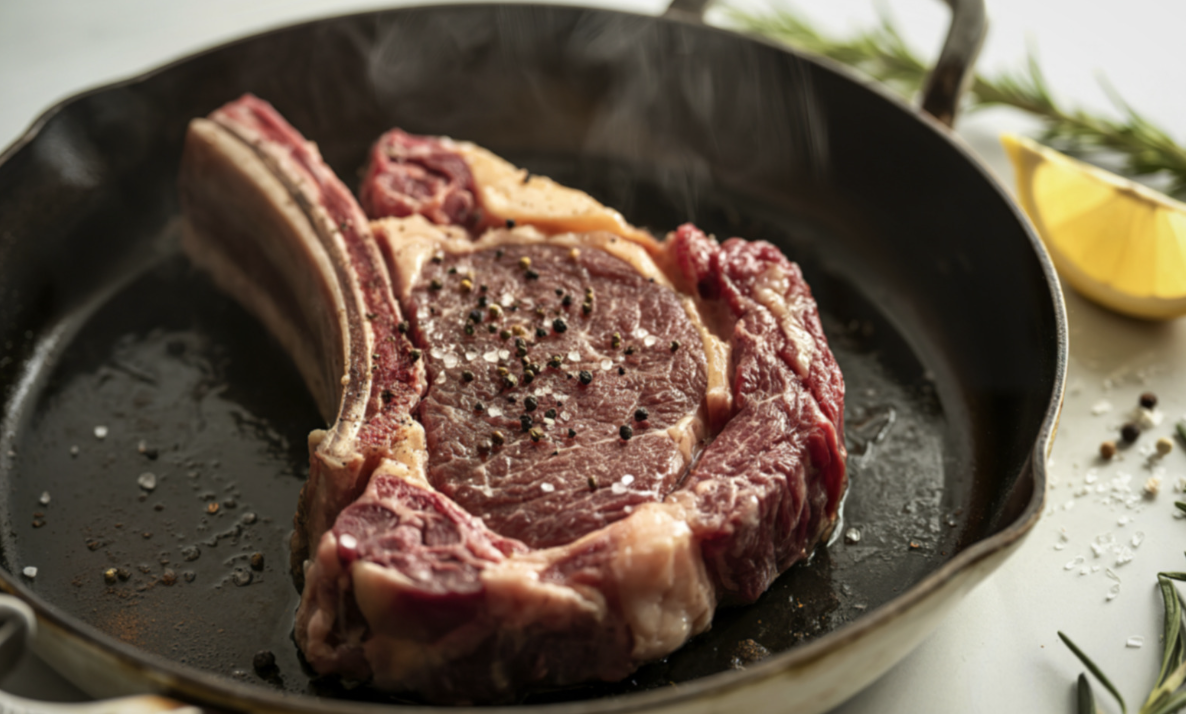
Saturated fats – are common in the American diet. Saturated fats are found in red meat, whole milk and other whole-milk dairy foods, cheese, coconut oil, and many commercially prepared baked goods and other foods. Being a steak eater myself, I do not buy into saturated fats being bad for you but I do agree you should limit your intake, i.e., don’t eat steak every day or drink a gallon of milk. Moderation is fine and should not drive up your cholesterol to dangerous levels.
As you can see eating fat will not make you fat. make the right choices in the fats you eat. Remember, your body needs fat!
Ready to stop guessing and start transforming? Get all 13 complete fitness resources—including the Keto Recipe Videos—in the All-In-One GOT2MANUP Fitness Blueprint today and finally start your reboot-
Sources
-
Research shows that reducing total fat intake alone does not significantly lower obesity, cancer, heart disease, or diabetes risk.
https://www.health.harvard.edu/staying-healthy/stop-worrying-about-fat -
Dietary fat does not automatically make you gain weight and healthy fats are essential for body function; overall calorie intake matters most.
https://inbodyusa.com/blogs/inbodyblog/90571521-fat-doesnt-make-you-fat/ -
Eating fat does not directly cause body fat increases, and quality of fats affects health outcomes differently.
https://www.health.harvard.edu/staying-healthy/the-truth-about-fats-bad-and-good -
Common myths about fat include the idea that fat raises body weight, but evidence shows balanced consumption does not inherently increase weight.
https://hopkinsdiabetesinfo.org/debunking-myths-about-fat/ -
Dietary fat may help with weight management because foods containing fat can increase fullness and reduce overeating.
https://health.mountsinai.org/blog/the-big-fat-myth-can-fat-be-good/ -
Some high-fat diets rich in unsaturated fats do not lead to weight gain and may support heart health when calories are balanced.
https://www.livescience.com/54984-high-fat-diet-weight.html -
Evidence does not support that fat intake alone determines obesity, and the nutritional context matters for weight outcomes.
https://pubmed.ncbi.nlm.nih.gov/12566139/ -
Consuming too much of any macronutrient beyond energy needs leads to weight gain, not fat in isolation.
https://www.healthline.com/nutrition/fat-and-cholesterol
FAQs
Q: Does eating fat will not make you fat mean I can eat unlimited fat?
A: No. Eating fat will not make you fat means that fat itself is not the sole cause of weight gain. Any calorie source can contribute to weight gain if you consistently eat more calories than you burn. Healthy fats are part of a balanced diet, but portion control and overall calorie balance still matter.
Q: What role do fats play in a healthy diet?
A: Fats are essential for nutrient absorption, hormone production, brain function, and cell structure. Including healthy fats like those from fish, nuts, seeds, and olive oil can improve satiety, help control hunger, and support overall health.
Q: If eating fat does not make you fat, what causes weight gain?
A: Weight gain occurs when your total energy intake exceeds your energy expenditure over time. Eating more calories than your body needs from any macronutrient — fat, protein, or carbohydrate — can lead to weight gain.
Q: Are all fats equally healthy?
A: No. Unsaturated fats from whole foods like avocados, oily fish, nuts, and seeds are generally considered healthy. Saturated fats and trans fats can be harmful in excess and are linked to heart disease and other health issues. Balance and quality matter.
Q: Can including fats in meals help with hunger and cravings?
A: Yes. Eating foods with healthy fats can slow digestion, increase feelings of fullness, and help you eat fewer total calories overall. This can make it easier to stick to your eating plan without feeling deprived.