
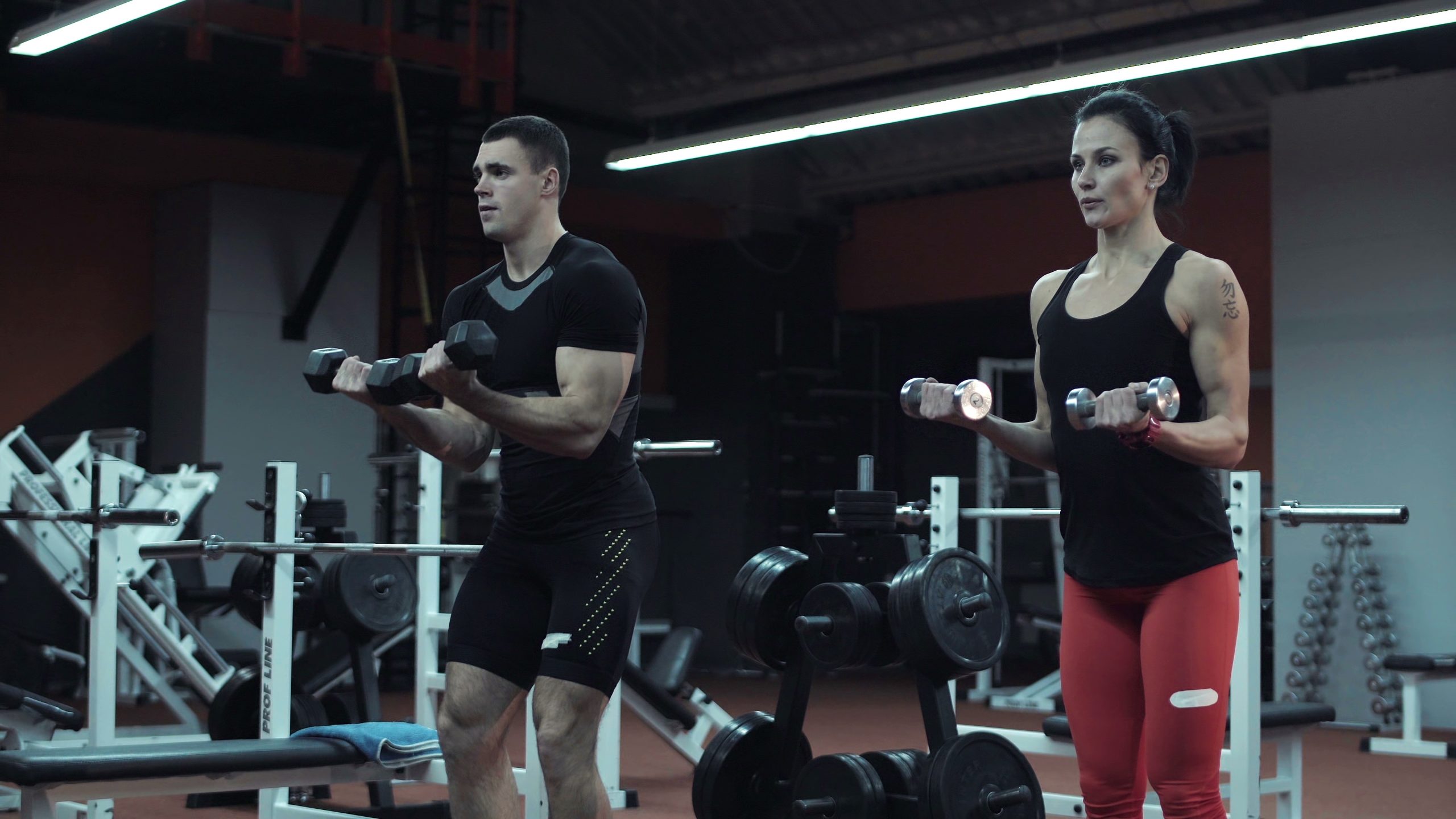
Follow These Tips To Never Reach Your Weightlifting Plateau
Ideas To Make Sure You Never Reach Your Weightlifting Plateau

You’ve been in the gym working hard for a while now. You’ve noticed new muscles showing, had to buy smaller sized pants and can feel good about wearing a tight shirt. You keep getting stronger so you figure you’ll never reach your weightlifting plateau. But as you track your workouts (you should be), you notice you’ve been stuck lifting the same weight for a month. Panic sets in. Is this it? I’m never going to get any stronger? Before you stress, read this article so you never reach your weightlifting plateau.
First of all, know that there is going to come a time when you have maxed out on the amount of weight you can lift. Think about it. If you started out benching 150 pounds and you were able to add five pounds a month to your lift you’d be benching 450 pounds in 5 years. Unless your a college student or professional body builder that’s not going to happen (nor is it our goal). What we want to focus on is not so much the amount of weight we are lifting but how we change up the way we lift to avoid hitting aweightlifting plateau.
Time For A Break?
When’s the last time you took a week off from lifting? Over training is a normal cause of hitting a weightlifting plateau. Lifting weights causes muscle tissue to break down so it’s important for you to take a break from lifting. You should take a full week off every 6 weeks. Do not go more than eight weeks without taking a week off. Make sure you do not let your diet go during your break period. Taking in 1.5 grams of protein per pound of body weight a day will help with muscle healing and growth.
Slow To Grow
If you’ve followed my blog over the years you know I am a huge proponent of using perfect form with slow tempo. I feel this is a much better and safer way to build muscle, especially for those over 35. It’s a method I have used for years so I can vouch personally that it will work. Concern yourself less with how many plates you are continually adding and focus on perfect technique and tempo. You will never reach your weightlifting plateau following this technique. But it also doesn’t mean you can’t mix it up to lift some heavier weights if you so desire.
Cut Your Reps
First thing I want to warn you about going heavier is you better have a spotter. If not, don’t do it! Why risk over pushing your muscles and having a loaded bar come crashing down on your body. This could cause serious injury. Lowering your reps per set is an excellent way to go heavier. Rather than doing 8 reps with a tempo of 4-0-1-0, use a heavier weight but only do four reps. Rest 60 seconds, repeat. Do four sets.
Get A Partner And Go Heavy
You cannot perform this routine without a spotter. You will be working to failure after the first set so someone has to be there to help you reset the bar. The goal is 20 reps per set. Load a bar with whatever weight you can lift five times. Rest 10 seconds, then do as many reps as possible. Rest 20 seconds, do as many reps as possible. Rest 30 seconds, do as many reps as possible. Continue using a 30 second rest until you reach your goal of 20 reps overall. Rest 3 minutes, then repeat.
Drop Sets
The most important thing about drop sets is not taking too much time between lifts. A partner is ideal, especially for any lifts that involve a bench. If you don’t have a partner, use dumbbells and/or machines. Do not take more than 10 seconds between drops. Use a weight you can lift eight times. Then drop the weight by 20% and do as many reps as possible. Drop another 20%, do as many reps as possible. Drop another 20%, do as many reps as possible. Here’s an example-
Set 1: 80 pounds 8 reps
Set 2: 65 pounds to failure
Set 3: 50 pounds to failure
Set 4: 40 pounds to failure
Rest for 2 minutes, repeat. Do 3 sets.
Using the above training methods and week off from exercise will help you never reach your weightlifting plateau. Please share any comments or ideas below.
Tired of chasing fitness fads? Grab the ALL-IN-ONE GOT2MANUP Fitness Blueprint now and get everything you need to succeed, all in one place

Sources
These sources directly support strategies in the article such as recovery, progressive overload, training variety, and avoiding plateaus.
-
Mayo Clinic High Intensity Training and Plateau Avoidance – Discusses recovery and avoiding training plateaus through rest and programming
https://www.mayoclinic.org/healthy-lifestyle/fitness/in-depth/exercise/art-20047752 -
Harvard Health Publishing on Progressive Overload – Explains progressive overload and why increasing training demands prevents stagnation
https://www.health.harvard.edu/staying-healthy/progressive-overload-is-gym-secret -
American Council on Exercise on Avoiding Plateaus – Provides research-backed strategies for varying workouts to break through plateaus
https://www.acefitness.org/education-and-resources/professional/expert-articles/6159/hiit-workouts-benefits/ -
Verywell Health on Plateau Busting Exercises and Strategies – Lists methods like varying exercises, increasing reps or weight, and rest for progress
https://www.verywellhealth.com/progressive-overload-11853224 -
National Institutes of Health on Training Adaptation – Shows how the body adapts to consistent stimulus over time and how variation is needed for growth
https://www.ncbi.nlm.nih.gov/pmc/articles/PMC6019055/
Frequently Asked Questions
Q: What is a weightlifting plateau
A: A plateau is when strength or muscle gains stall and your performance stops improving despite regular workouts.
Q: Why do plateaus happen
A: Plateaus occur because the body adapts to the same training routine, reducing stimulus for further growth.
Q: How often should I take a break from lifting
A: The article recommends a full week off every six weeks to avoid overtraining and stall.
Q: What is the purpose of slowing down tempo
A: Slower tempo increases time under tension, improving muscle engagement and avoiding plateaus.